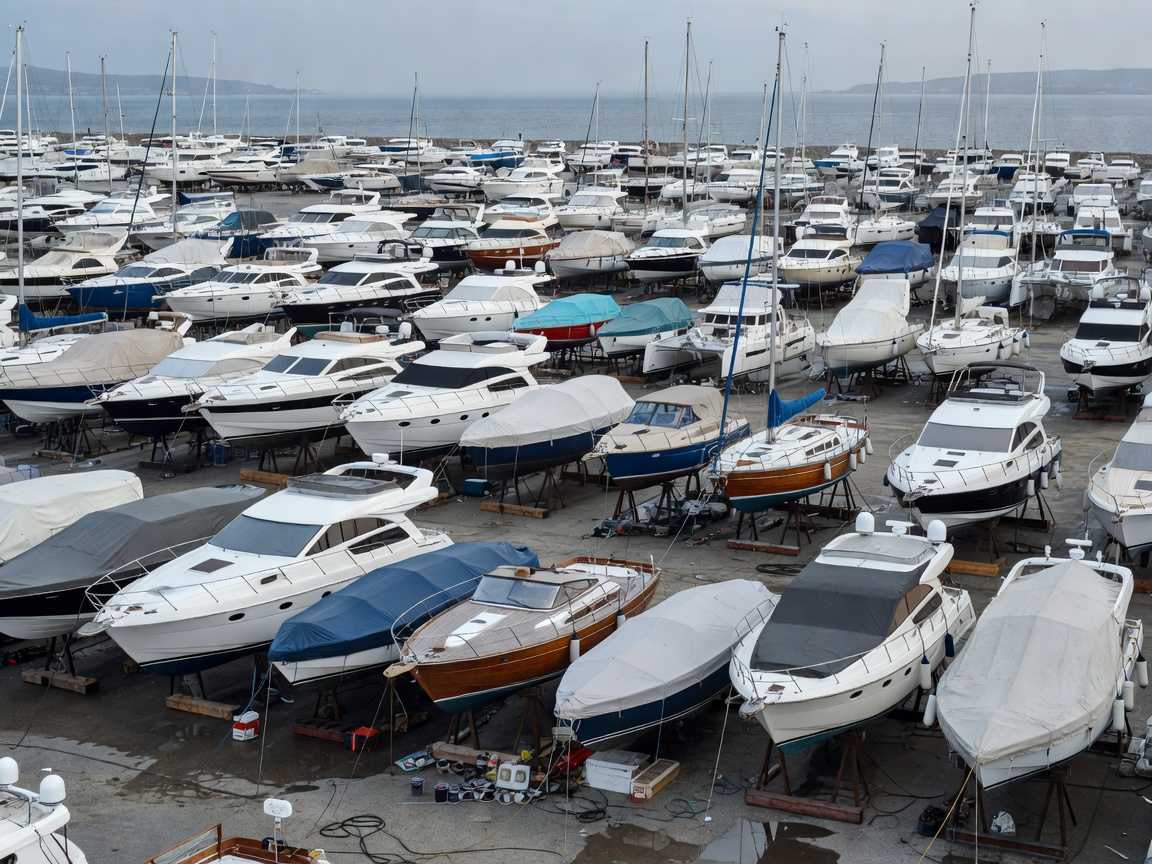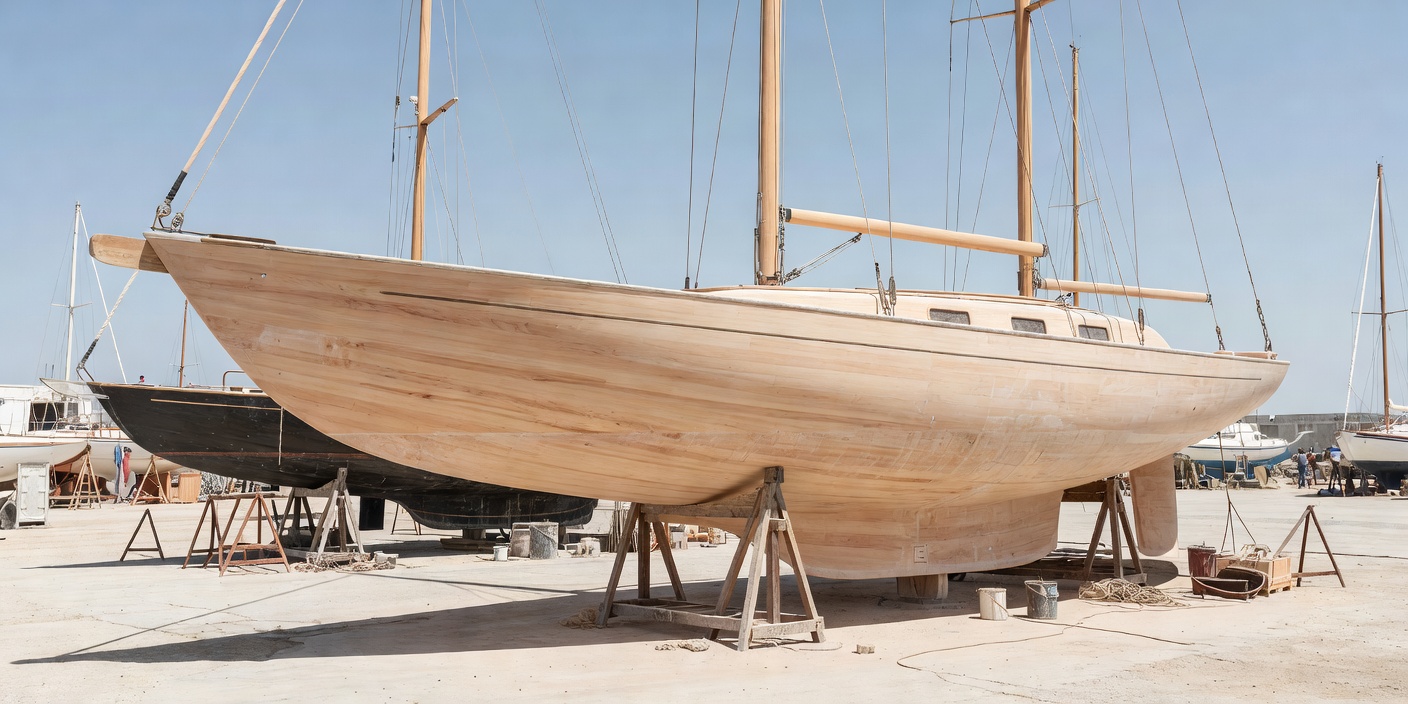
Greece is home to a large population of older sailing yachts. Many arrived decades ago from northern Europe and stayed for the climate; others were built for charter in the 1990s and have passed through several private owners since. Plenty spend their winters ashore in the big yards of Preveza and Lefkas, where owners work on them season after season. The result is a market full of boats that are old on paper but may have been substantially renewed — alongside others that have simply been made to look fresh.
Why an older boat can make sense
Older yachts are cheaper to buy, and depreciation has largely run its course. Many have simpler systems that an owner can understand and maintain. Some older designs — the Contessa 32, older Hallberg-Rassy models, Westerly and Moody boats, and early Beneteau First designs among them — have lasting reputations for seakeeping and solid construction. A reputation, though, belongs to the design, not to the individual boat in front of you. Two sister ships can be in completely different condition after thirty years.
What a proper refit should include
A genuine refit addresses the systems that fail with age and cost the most to fix. The table below lists the core items and the evidence that should back each one up.
| Refit item | Why it matters | Evidence to ask for |
|---|---|---|
| Engine repower or rebuild | The most common source of expensive surprises | Invoice, engine make and model, installation date, hours since |
| Standing rigging | Stainless steel fatigues invisibly; insurers ask about its age | Rigger's invoice with date and scope |
| Chainplates | Hidden corrosion where they pass through the deck | Photos taken during removal or replacement |
| Electrical system | Old wiring is a fire and reliability risk | New panel, wiring notes, battery installation date |
| Deck hardware rebedding | Leaks rot the deck core over time | Moisture readings from the survey |
| Underwater hull | Osmosis can be costly to treat | Moisture readings, treatment records |
| Seacocks and hoses | Failures can sink a boat | Replacement records and photos |
| Sails | Performance and safety in a blow | Sailmaker's invoice |
Cosmetic versus structural
New cushions, fresh varnish, LED lighting and a polished topside make a boat more pleasant to live on, and they photograph well. None of them address the engine, rig, electrics or hull. When a seller's refit list is long on interior finish and short on mechanical and structural work, treat it as a warning sign rather than a selling point. The best older boats often look slightly worn inside but come with a thick folder of invoices for the unglamorous jobs.
Common issues in older GRP boats
- Wet deck core. Balsa or foam cores can absorb water through poorly sealed fittings, leading to soft spots.
- Osmosis. Blistering in the gelcoat below the waterline, which varies from cosmetic to serious.
- Teak decks at the end of their life. Worn teak with many fastenings can leak and is expensive to replace.
- Keel bolts. Corrosion on older bolts, especially on boats with an unknown grounding history.
- Fuel tanks. Old tanks may harbour sludge or diesel bug that clogs filters at the worst moment.
- Crazed windows and hatches. A common source of leaks after decades of Greek sun.
- Compliance. Boats built before the Recreational Craft Directive became mandatory in the late 1990s may not carry CE marking; ask your broker or surveyor how that affects registration, insurance or resale.
The paperwork trail
A well-refitted boat usually comes with a well-organised owner. Look for dated invoices, contractor names, before-and-after photos and manuals for new equipment. If a seller says work was done but cannot show any record, value the boat as though it was not. Ask your surveyor to confirm that the work described matches what they can see.
Pros and cons of an older refitted yacht
Pros
- Lower purchase price for more boat
- Previous owner has absorbed refit costs
- Simpler systems, easier self-maintenance
- Some classic designs are notably seaworthy
Cons
- Unrefitted systems will still age out
- Some insurers apply stricter terms to older boats
- Older layouts can feel dark and cramped
- Resale market is narrower
How to think about price
A refit rarely adds its full cost to a boat's resale value, which is exactly why buying a boat after someone else has paid for the work can be good value. The flip side is that you should never pay a premium for work you cannot verify. Compare the asking price with similar unrefitted boats, subtract what you would spend to bring one of those up to the same standard, and use that figure as your ceiling. For wider context, see our budget bands guide.