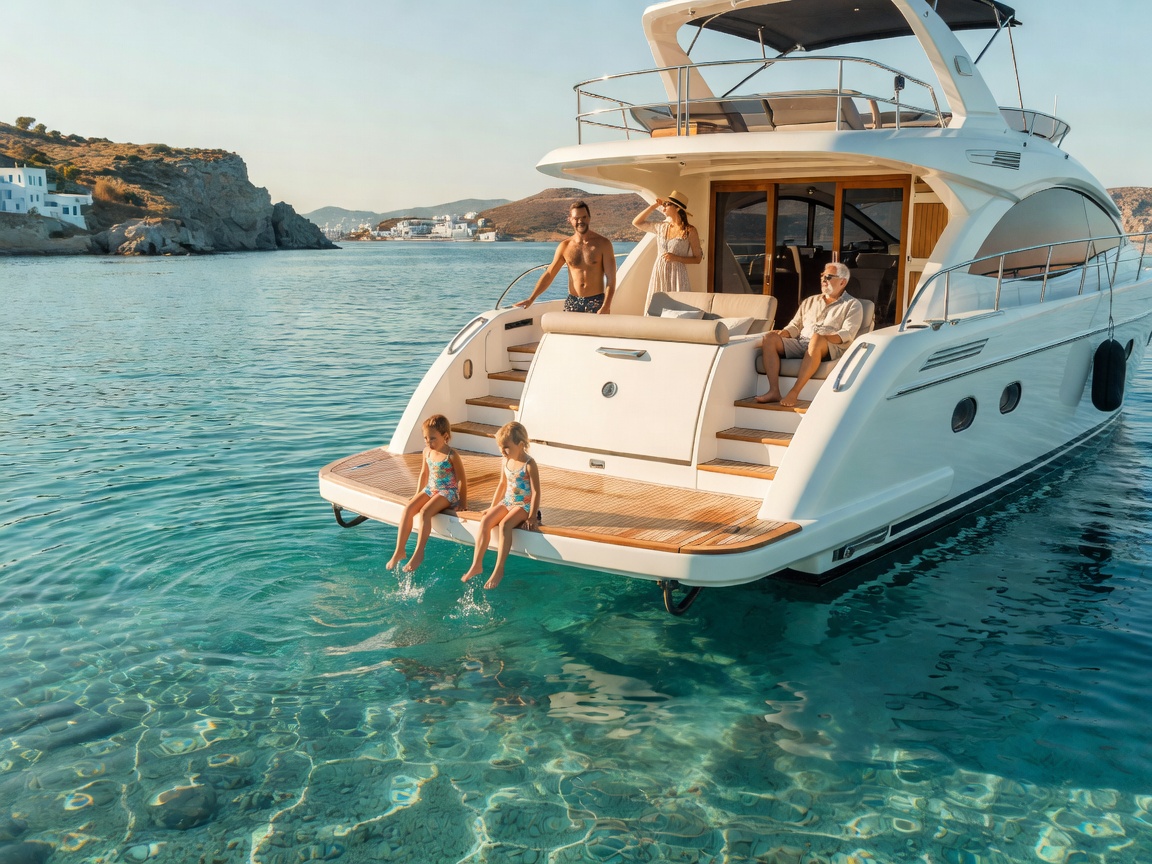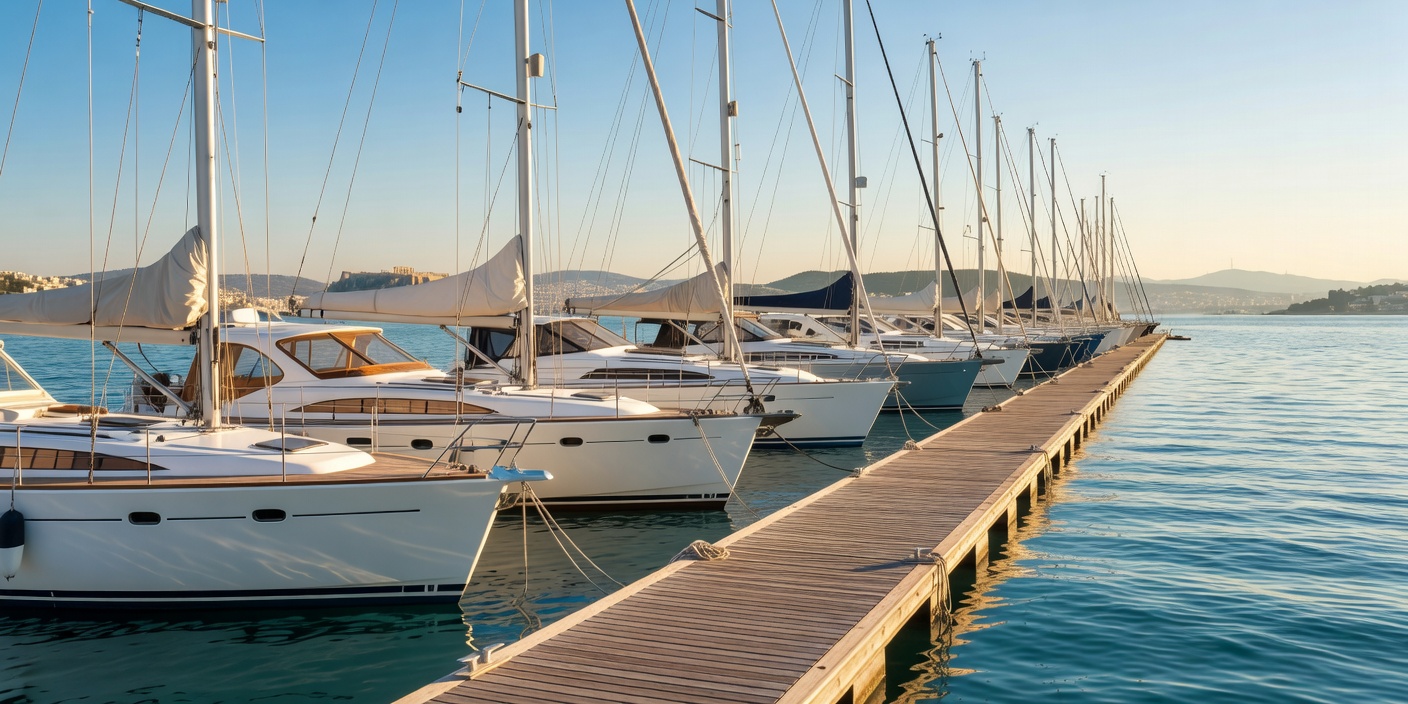
Greece has one of the largest bareboat charter industries in Europe, with major fleet bases at Alimos near Athens, in Lefkas town, at Gouvia on Corfu and around Preveza. Operators commonly sell boats after a number of seasons to keep their fleets fresh and competitive, and those boats flow into the used market — some through brokers, others directly through the charter company's own sales desk. For buyers with budgets toward the upper end of our range, ex-charter yachts are often the largest and best-equipped boats on offer.
What "ex-charter" really means
An ex-charter yacht has spent part of its life being rented out, usually for weekly bareboat or skippered holidays. That label covers a wide spectrum: a boat might have done a few light seasons in a small owner-managed scheme, or a decade of back-to-back weeks in a large fleet. Always ask how many seasons the boat chartered, with which company, and whether it was fleet-owned or privately owned under a management contract. Privately owned boats in management are sometimes better cared for, because the owner had a direct financial interest in the boat's condition.
Models you are likely to see
The Greek charter market relies heavily on European volume builders, so listings frequently feature the Bavaria Cruiser range, Beneteau Oceanis, Jeanneau Sun Odyssey, Dufour Grand Large and Elan Impression models. These designs share traits that suit charter work: wide beam, large cockpits, generous headroom and multiple cabins. Catamarans are common in charter fleets too, but they rarely fall within the budgets this site covers.
A practical advantage of popular models is that Greek yards and chandleries know them well. Spares, canvas patterns and specialist knowledge are easier to find than for a rare or discontinued design.
The trade-offs
Pros
- Regular professional servicing, often with dated logs
- Practical kit: bimini, sprayhood, cockpit table, swim platform, windlass
- Widely known models with easy access to parts
- Often VAT-paid and locally registered, which can simplify paperwork — always verify
Cons
- Hard use by many crews of varying experience
- Higher engine hours than a private boat of similar age
- Risk of docking knocks and groundings
- Layouts optimised for charter: small cabins, extra heads, limited stowage
- Worn upholstery and stretched sails
Where the wear hides
A fresh polish and new cushions can make a tired charter boat photograph beautifully. The survey should focus on the areas that take the most punishment when many different crews use the same boat. Shallow Ionian bays and rocky Aegean anchorages make the keel and rudder especially important.
| Area | What to check | Why it matters |
|---|---|---|
| Keel and hull join | Cracks, weeping bolts, repair records | Groundings can damage internal structure |
| Rudder | Bearing play, stock condition | Worn bearings are common on high-use boats |
| Engine and drive | Hours, service logs, saildrive seals | Charter engines run daily for docking and charging |
| Standing rigging | Installation date and invoices | Insurers often ask about rigging age |
| Sails | Shape, UV strips, stitching | Replacement is a significant cost |
| Batteries and charging | Battery age, shore power, alternator output | Charter use is hard on battery banks |
| Deck hardware | Winches, clutches, cleats, stanchion bases | Loose fittings let water into the deck |
Also look inside lockers and around hatches for water staining, check the windlass and chain for heavy corrosion, and ask whether the boat has ever been claimed on insurance.
Timing and negotiation
Many charter companies sell boats at the end of the season, from autumn into winter, when boats come out of service and before the next year's fleet plans are fixed. This is often a good moment to view and negotiate, because the company may prefer a sale to preparing the boat for another year. Ask what the price includes: fresh antifouling, a completed engine service, the dinghy and outboard, safety equipment and charter inventory can add real value to a deal.
Buying a boat that stays in charter
Some yachts are sold with a continuing management contract, where the new owner receives income or cost offsets in return for letting the company charter the boat. This can help with running costs, but it limits personal use in high season and adds more wear. Read the contract carefully, including who pays for repairs, how damage is handled and what happens at the end of the term.
Is ex-charter right for you?
If you want a spacious, well-equipped boat and are prepared to insist on a rigorous survey, an ex-charter yacht can be excellent value. If you prefer low engine hours, a lightly used interior and an owner's layout, a privately owned boat may suit you better. Compare both before deciding, and use our budget bands guide to see where ex-charter boats sit in the wider market.